

I realized it’s been awhile since I’ve added anything here. I’ve been a little busy. Since I had my hip replaced three years ago, I’ve had to re-learn how to walk not once, not twice, but three times. The first time was after my hip replacement. It was kind of strange that something so simple and natural as walking could take a concentrated effort to learn how to do again. During a physical therapy session a few months after my right hip replacement, I found out that my left knee didn’t like all the changes going on. A tear in my left meniscus blew up and caused my knee to do the same. All that inflammation made my left leg looked jacked, too bad it was twice the size as my right one. Unfortunately I was inpatient and opted for arthroscopic meniscus surgery versus doing physical therapy for the knee. Meniscus surgery has about the same success rate as physical therapy. The surgery went well, but my knee didn’t agree. It threw my osteoarthritis into high gear in that knee. After the meniscus surgery in late 2018, six months after my hip surgery, I still had to do PT do learn how to walk on my new blown up knee. Fortunately my right hip had healed enough that it could withstand the rigors of post surgical knee PT. After a few months of PT and some hyaluronic gel shots in the knee, the swelling became manageable and I was able to create a new normal walking pattern. Unfortunately I was fighting a holding action as my knee was never going to get back to fully normal. The osteoarthritis in my left knee had deteriorated most of the cartilage and left three quarters of the joint with bone on bone interaction. I was just staving off the inevitable knee replacement, which happened in February of 2021, just what you want to do when Covid cases are at their peak. After the surgery was the third, and by far hardest, time I had to re-learn how to walk. I can say from experience that the recovery from a hip replacement is a walk in the park compared to that of a knee replacement. It took about four months before I was able to walk naturally again and not feel stilted. Don’t get me wrong, I was walking plenty before that, averaging over 14,000 steps a day, but it wasn’t until four months after surgery that it felt the same as the right knee while walking. It just kicked in one morning while walking to work. It was the strangest thing. I was halfway to work before I realized I was walking normally again. I still feel the difference between the two knees while walking, but I don’t have to concentrate on how I’m walking anymore. The body is a strange and mysterious system.
So now I’m a combination of titanium and steel. It’s really cool going through metal detectors. The journey has been difficult, educational, and rewarding. That last comment might seem strange, but read on and you’ll find out why I say that. So what are my limitations? My squat pattern is only at 95%, I still have a few degrees of knee flexion to go, but I’m confident I’ll be able to do a full “ass to grass” squat by the end of the year. Knee extension is even with my right knee, so no issues there. My deadlift is up to 300lbs for sets of fifteen. My goal is to beat my personal record of 425 by next summer. I’m taking it really slowly on my back squat, but I did a set of fifteen with 175 last week. I’m hoping to work back up to the 300lb range. I haven’t tried running yet. When I do it will be huge, since I haven’t been able to run in years. But I’m confident I’ll be able to do that soon. Not that I’m looking to start any long distance running, but it would be nice to be able to do some beach sprinting again.

Am I talking about all the stuff I can do to brag? Maybe a little, but during this process, with my joints deteriorating, having them replaced, and rehabbing, I learned a tremendous amount about myself and what the body can do. One of my biggest take aways, and a mantra I had to use during the hard times, was to focus on what I can do, and not what I can’t. I tried not to focus on the limitations caused by the pain and lack of mobility in my joints. It wasn’t always easy, and some days I sucked at it, but I always tried to keep in mind what I could do, and push the limits of the things that were painful or hard. It was especially tough at times knowing that no matter what I did before surgery, my joint wasn’t going to get better. The best I could do was to keep my deteriorating joint functional and try to minimize the pain. What I’m realizing now that I’m on the mend from my knee replacement is that all that work trying to stay functional actually made me a lot stronger and mobile than I knew. The pain and the limited mobility masked the gains. I’m surprising myself with the things I can do and I’m not fully healed yet. While my right knee will never be “normal” again, with continued focused effort I believe I can get it pretty damn close. As far as my titanium right hip goes, most days I forget it’s not the original equipment.
So I’m back and excited about the future again. I’m not just counting down the days to my next joint replacement. I’m not just dealing with pain that’s not going to get better. Every day I feel incremental changes in what I can do with my new and improved after market parts. My body has been enhanced, both mentally and physically, from my new parts and the process I went through to get them. I don’t regret any of what’s happened because this journey has led me down a path I didn’t know existed, and has helped define the direction of my Health Coaching practice. Most days I spend helping people overcome the pain and suffering that come from living the standard westernized lifestyle. Helping people identify and overcome the self inflicted injuries and inflammation that lead to lifestyle related diseases. Without all the pain and suffering I went through on this journey, I would have never gone down this path, so I’m fortunate to have had this experience. Now it’s time to move forward with renewed passion for what I get to do everyday. Aside from the charge I get from helping people move better and hopefully pain free, I get to go to work every day in my gym clothes. I literally work in a playground of gym equipment that I play with to explore different ways to move and stress the body in ways it was meant to be stressed. If it isn’t the coolest job in the world, it’s got to be right up there.

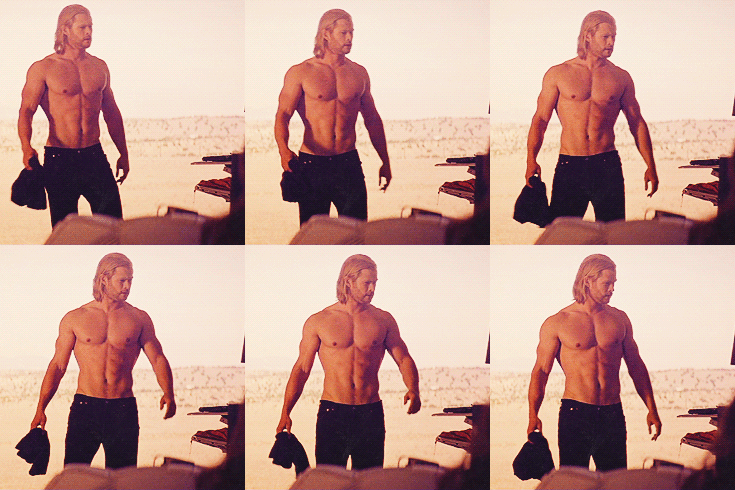 rth. I’m an average 56 year old who has slowly adapted over years of working out to be able to do some slightly above average physical activities for my age. My body has adapted to doing a lot of functionally useful movements, which in turn makes me less likely to get injured while performing my activities of daily living. I do a lot of pushing, pulling, squatting, and lifting heavy things, but the key is to not limiting myself to any one modality of working out. One of the core principles of physical fitness is the SAID principle, that is, specific adaptations to imposed demands. The body goes through a stress, recovery, adaptation cycle for all different types of stimulus imposed. The body will adapt to the stimulus your are putting on it, but once your body has adapted to that stimulus, no more change will occur until you change the stimulus. There are a myriad of ways to change the stimulus such as doing more weight, reps, sets, intervals, changing he leverage, changing the rest time between sets, changing the time under stress, or the interval periods. Tweaking any of these variables will create a different stimulus for the body and thus create a new adaptation. Unfortunately, there we do have genetic limits, so short of using pharmacological help, your adaptations will be limited to your bodies genetic potential. So if you weren’t born with the genes to have the physique of Chris Hemsworth, blame your parents. Fortunately, most of us have a long way to go to reach that genetic potential, which leaves a lot of room for growth.
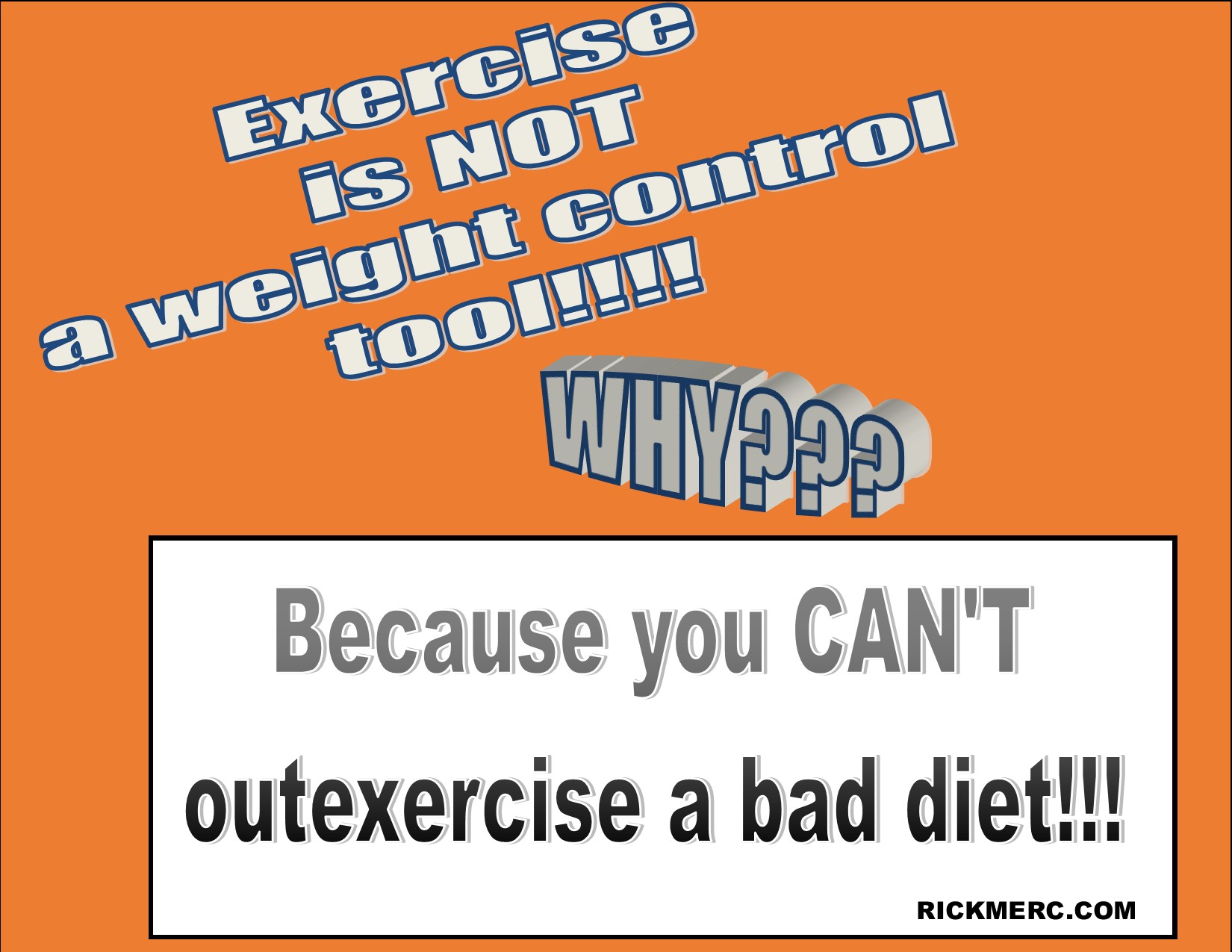


 the magic formula.”
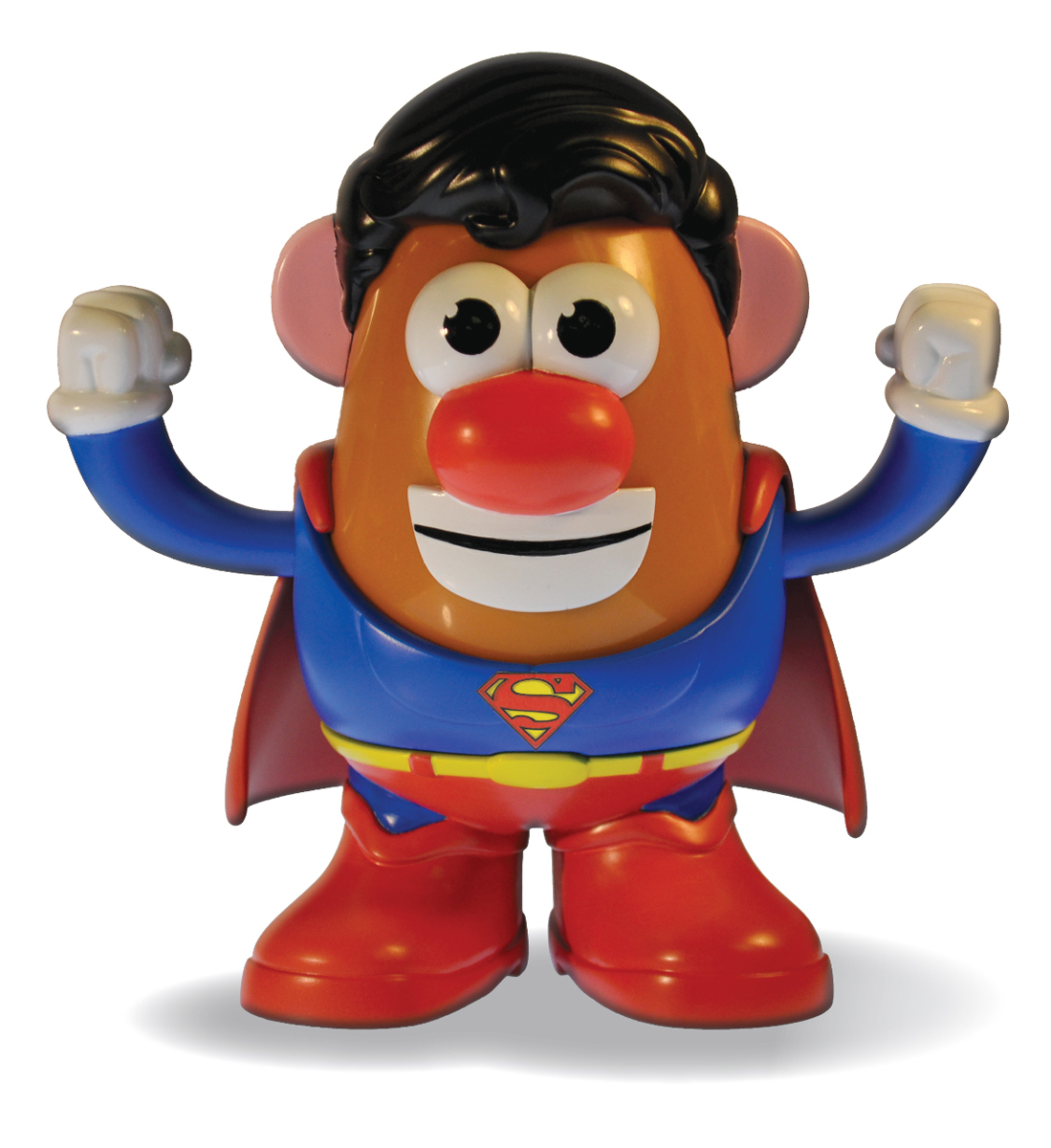 o more shameful glances as you have your baked potato slathered in butter and bacon bits. No more guilt for having that second helping of fries with your bacon burger. Go ahead and eat your potatoes with gusto, they are now “superfood” and are good for your health. Three cheers for potatoes; Huzzah, Huzzah, Huzzah.
 e first time I’ve had to force myself to get my butt into my workout room and do something. The funny thing is, more often than not, once I get moving, I end up having a great workout. Today was one of those days. I started with a little myofascial release and stretching. I hit the speed bag for a few minutes to get the juices flowing. I danced around with my indian clubs, mobilizing my shoulders and upper body. I still was feeling a little blah, so I thought I would do a few double unders with my jump rope. After the first fifteen or twenty, something kicked in, and I was off to the races. I did a hundred double unders and was breathing so hard that I forgot I felt like crap. So I started to really workout. I did a HIIT workout of 25 ball sit ups, 10 dips, 10 twisting kettlebell hi-pulls, and 25 double unders. I figured I would do a few rounds and see how I felt. By the third round I was feeling pretty bad, but this is typical for me. My body needs few rounds before I get into my groove. I thought I might get five rounds in, but after five rounds I felt pretty good, so I just kept going. I finished seven rounds for 490 reps, and when coupled with my 100 double unders buy in, I did 590 reps today. Not bad for a day I was feeling like curling up on the couch. More importantly, my mood changed. The endorphins kicked in and I don’t feel down anymore. I still feel like crap, but in a good way, kind of like Rocky did at the end of his first fight. He got the crap kicked out of him, but he felt good about being done with the fight. My point is that for long term health, you can’t let your down mood be an excuse to skip your workout and curl up on the couch. Sometimes you just need kick your own ass, and hopefully, like me, you’ll be glad you did.
 Transform Studio